





Traumatic experiences can have a lasting impact on a teen’s emotional and mental well-being, but no two teens respond in exactly the same way. While one teen may gradually recover with the support of caring family members and healthy coping strategies, another may continue to struggle with overwhelming emotions, changes in behavior, or difficulty functioning in daily life. The way trauma affects a teen depends on many factors, including the nature of the event, their previous experiences, and the support they receive afterward.
Because trauma symptoms are not always obvious, it can be difficult for parents to know when their teen needs more than reassurance and time. Recognizing the signs that professional support may be beneficial is an important step toward helping your teen heal. Early intervention can reduce the risk of symptoms becoming more severe, improve emotional resilience, and equip teens with healthy coping skills that support long-term recovery. Understanding when to seek help allows families to take action before trauma begins to interfere with school, relationships, and everyday life.
Understanding Teen Trauma
Trauma is an emotional and psychological response to a distressing or overwhelming event that exceeds a teen’s ability to cope. It can result from a single event, such as a serious accident or assault, or from ongoing experiences like abuse, neglect, bullying, or family conflict.
Trauma is more common than many parents realize. According to the International Society for Traumatic Stress Studies, 62% of teenagers experience at least one traumatic event during adolescence, and nearly one in five experience three or more. This highlights how many teens may be affected by trauma at some point during their development.
Not every difficult experience becomes traumatic. Two teens can experience the same event but respond differently depending on factors such as their age, previous experiences, coping skills, and support system. Trauma is defined by how the experience affects the individual, not simply by what happened.
Trauma can affect a teen’s emotions, thoughts, behaviors, and physical health. They may experience anxiety, sadness, irritability, emotional numbness, difficulty concentrating, sleep problems, or physical symptoms like headaches and stomachaches. When these symptoms persist, they can interfere with school, relationships, and everyday functioning.
Common Causes of Trauma in Teens
Trauma can result from a wide range of experiences. While some events are sudden and unexpected, others develop over time through ongoing stress or adversity. Common causes of trauma in teens include:
- Abuse or neglect: Physical, emotional, or sexual abuse, as well as neglect, can have lasting effects on a teen’s sense of safety and self-worth.
- Bullying or cyberbullying: Repeated harassment, whether in person or online, can lead to anxiety, depression, and trauma-related symptoms.
- Sexual assault: Any form of sexual violence or unwanted sexual contact can have profound emotional and psychological consequences.
- Loss of a loved one: The death of a parent, sibling, close friend, or another significant person can be deeply traumatic, especially if the loss is sudden.
- Divorce or family conflict: Ongoing conflict at home, domestic violence, or a difficult separation can leave teens feeling unsafe and emotionally distressed.
- Community violence: Witnessing or experiencing violence in the neighborhood or at school can contribute to chronic stress and fear.
- Serious accidents or injuries: Car accidents, sports injuries, or other life-threatening events can trigger traumatic responses.
- Medical trauma: Major illnesses, emergency surgeries, or repeated medical procedures can be emotionally overwhelming for some teens.
- Natural disasters: Events such as wildfires, floods, earthquakes, or hurricanes can disrupt a teen’s sense of security and stability.
Not every teen who experiences these events will develop trauma-related symptoms. However, if emotional or behavioral changes persist or begin interfering with daily life, it may be time to consider professional support.
When Is It Time to Seek Professional Help?
It’s normal for teens to experience stress, fear, sadness, or confusion after a traumatic event. In many cases, these reactions gradually improve with time and support from trusted adults. However, if symptoms persist, worsen, or begin affecting your teen’s daily life, professional evaluation may be appropriate.

Symptoms Last More Than a Few Weeks
If your teen continues to experience anxiety, sadness, emotional numbness, or difficulty returning to their usual routine for several weeks after the traumatic event, it may indicate that they need additional support. Persistent symptoms should not be ignored, especially if they interfere with everyday functioning.
Your Teen Avoids People, Places, or Activities
Avoidance is a common response to trauma. Your teen may stop spending time with friends, refuse to attend school, or avoid places and situations that remind them of the event. While occasional avoidance is understandable, ongoing withdrawal can interfere with recovery and may signal the need for professional help.
School Performance Suddenly Declines
Trauma can affect memory, concentration, and motivation. If your teen’s grades begin to drop, they have difficulty focusing in class, miss school frequently, or lose interest in activities they once enjoyed, these changes may be related to unresolved trauma.
Emotional Reactions Become Intense or Unpredictable
Trauma can make it difficult for teens to regulate their emotions. Frequent anger, irritability, panic attacks, emotional outbursts, or crying spells that seem out of proportion to the situation may indicate that they are struggling to process what happened.
Sleep and Appetite Have Changed Significantly
Changes in sleep or eating habits are common after trauma. Recurring nightmares, insomnia, sleeping much more than usual, loss of appetite, or emotional eating that continues over time can affect both physical and emotional health.
They Begin Using Alcohol or Drugs to Cope
Some teens turn to alcohol, vaping, or other substances to numb emotional pain or avoid difficult memories. Using substances to cope with trauma increases the risk of developing a substance use disorder and should be addressed by a mental health professional as soon as possible.
Your Teen Talks About Hopelessness or Self-Harm
Expressions of hopelessness, talking about wanting to disappear, self-harming behaviors, or thoughts of suicide should always be taken seriously. These warning signs require immediate evaluation by a mental health professional. If you believe your teen is in immediate danger of harming themselves or someone else, seek emergency medical care or contact your local emergency services without delay.
Why Early Trauma Treatment Matters
Trauma symptoms do not always resolve on their own. Seeking professional help early can reduce the long-term impact of trauma and help teens develop healthy coping skills before symptoms become more severe. Research consistently shows that early intervention improves emotional, behavioral, and psychological outcomes. In fact, one study found that 91% of trauma-exposed youth showed improvement in psychological symptoms after receiving early intervention.
Prevents Symptoms From Becoming More Severe
Without treatment, trauma symptoms can become chronic and increase the risk of conditions such as post-traumatic stress disorder (PTSD), anxiety, depression, and behavioral challenges. Trauma can also affect a teen’s ability to focus, learn, and succeed in school. Research shows that students who have experienced trauma are significantly more likely to drop out of school (19.8%) than those without trauma exposure (13%), highlighting the importance of early support.
Reduces Anxiety and Depression
Trauma frequently contributes to anxiety, depression, and persistent emotional distress. Evidence-based therapies help teens process traumatic experiences and develop healthier coping strategies. Specialized treatment programs have reported reductions in depression symptoms from 49% to 16% and anxiety from 46% to 18% following treatment.
Improves Emotional Regulation
Trauma can make it difficult for teens to manage intense emotions, leading to anger, panic, or emotional outbursts. Therapy teaches practical skills to recognize emotional triggers, regulate emotions, and respond to stress more effectively. Intensive trauma treatment programs have reported PTSD remission rates of up to 62%, demonstrating that many teens experience meaningful improvement with appropriate care.
Supports Healthy Development
Untreated trauma can interfere with a teen’s emotional, social, and academic development. It has been linked to poorer school performance, attendance problems, disciplinary issues, and difficulties with relationships. Early treatment helps teens regain stability so they can continue developing the skills needed for success at school, at home, and in everyday life.
Strengthens Family Relationships
Trauma affects the entire family, not just the teen. Many evidence-based treatment approaches involve parents or caregivers to improve communication, strengthen support at home, and promote healing together. Research has found that family-focused interventions can reduce post-traumatic symptoms in both teens and their caregivers while improving overall family functioning.
Builds Confidence and Resilience
As teens begin to process their experiences and develop effective coping skills, they often regain confidence and become more resilient. Studies show that trauma-focused psychological treatments are effective at reducing symptoms of PTSD, anxiety, and depression, helping many adolescents return to healthier, more fulfilling daily lives.
What Professional Trauma Treatment May Include
There is no one-size-fits-all approach to treating teen trauma. A mental health professional will recommend a treatment plan based on your teen’s symptoms, the type of trauma they experienced, and the level of support they need. Treatment often includes one or more of the following evidence-based approaches.
Trauma-Focused Cognitive Behavioral Therapy (TF-CBT)
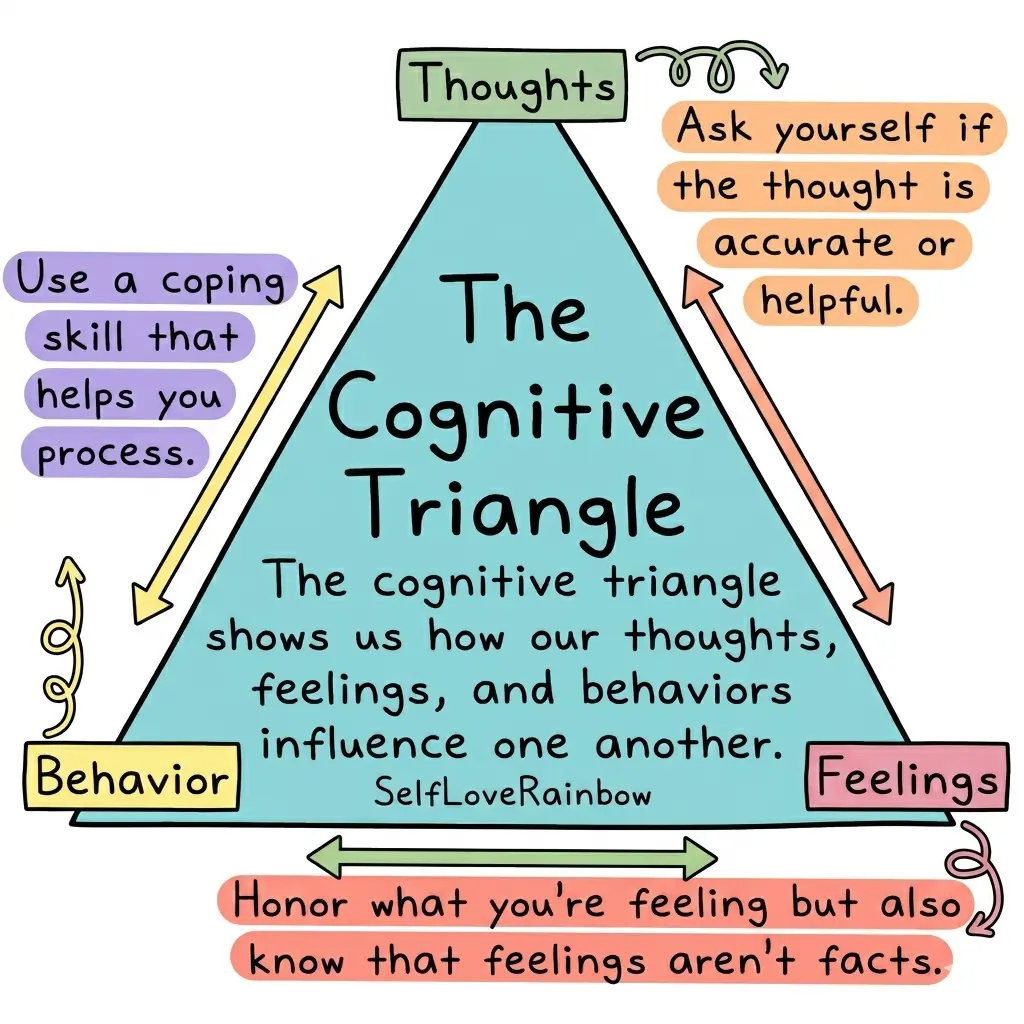
Trauma-Focused Cognitive Behavioral Therapy (TF-CBT) is one of the most widely used treatments for children and adolescents who have experienced trauma. It helps teens understand how trauma affects their thoughts, emotions, and behaviors while teaching practical coping skills to manage distress. Parents or caregivers are often involved in treatment to help reinforce these skills at home.
Eye Movement Desensitization and Reprocessing (EMDR)
EMDR is a structured therapy that helps individuals process traumatic memories in a healthier way. Rather than focusing on the details of the traumatic event repeatedly, EMDR uses guided bilateral stimulation to reduce the emotional intensity of distressing memories. It may be recommended for teens with persistent trauma symptoms or post-traumatic stress disorder (PTSD).
Family Therapy
Trauma can affect communication, trust, and relationships within the family. Family therapy helps parents and teens better understand the impact of trauma, improve communication, resolve conflicts, and build a supportive home environment that promotes recovery.
Group Therapy
Group therapy gives teens the opportunity to connect with peers who have faced similar challenges. In a professionally facilitated setting, they can share experiences, learn healthy coping strategies, and develop social support while realizing they are not alone in their recovery.
Medication (When Appropriate)
Medication is not a primary treatment for trauma, but it may be recommended when a teen is also experiencing significant anxiety, depression, sleep disturbances, or other mental health conditions. If prescribed, medication is typically used alongside therapy and is carefully monitored by a qualified healthcare provider.
Intensive Outpatient Programs (IOP) and Partial Hospitalization Programs (PHP)
Some teens need more support than weekly therapy sessions can provide. If trauma symptoms are significantly affecting their daily functioning, an Intensive Outpatient Program (IOP) or Partial Hospitalization Program (PHP) may be appropriate.
A Teen IOP provides several hours of therapy each week while allowing teens to continue living at home and, in many cases, attend school. A Teen PHP offers a higher level of structured care with more frequent therapy and clinical support during the day, making it suitable for teens with more severe symptoms who do not require 24-hour inpatient treatment.
These programs often combine individual therapy, family therapy, group therapy, and evidence-based trauma treatments to provide comprehensive support tailored to each teen’s needs.
How Parents Can Support a Teen After Trauma
As a parent, your support can make a meaningful difference in your teen’s recovery. While you can’t change what happened, creating a safe, supportive environment can help them feel more secure and open to healing. Small, consistent actions often have a greater impact than trying to “fix” the situation.
- Listen without judgment and let your teen share at their own pace.
- Validate their feelings instead of minimizing or dismissing their emotions.
- Maintain routines to provide a sense of stability and predictability.
- Encourage healthy coping strategies, such as exercise, hobbies, or spending time with supportive people.
- Respect their pace and avoid pressuring them to talk before they’re ready.
- Seek professional support if symptoms persist or begin interfering with daily life, and stay involved in their treatment when appropriate.
Remember, you don’t have to navigate your teen’s recovery alone. Reaching out to a qualified mental health professional can provide your family with the guidance and support needed to help your teen heal.