




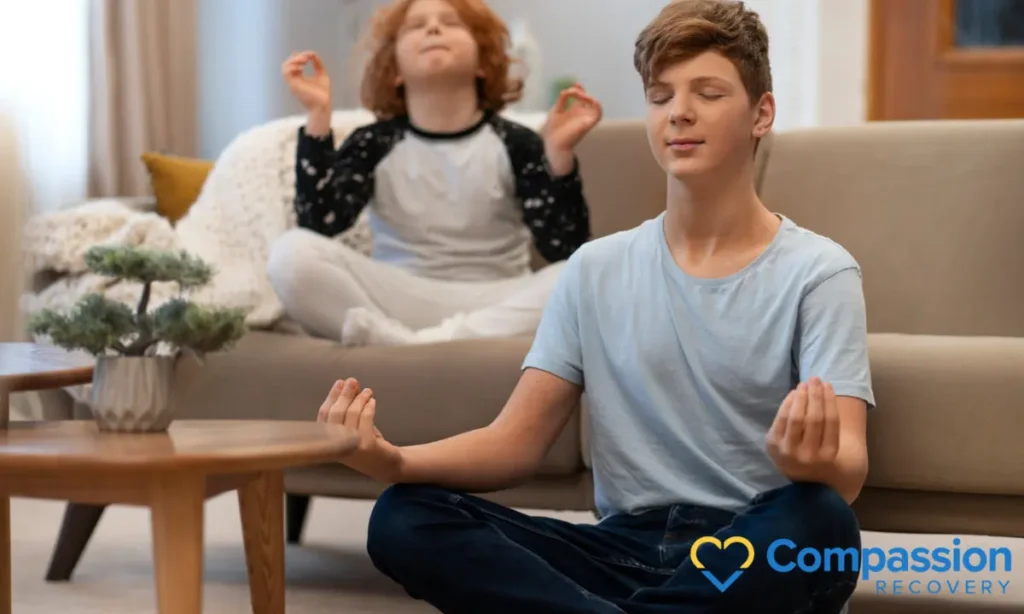
A child’s emotional well-being is just as critical as monitoring their physical health. But what exactly are mental health activities for children? Put simply, these are structured and intentional actions designed to help children improve their emotional regulation, build resilience, develop social skills, and manage stress effectively. These activities serve as a proactive way to ensure that children have the tools they need before a crisis occurs.
Drawing from the fields of child psychology, emotional intelligence, mindfulness, and play therapy, these activities provide children with a toolkit they can use to navigate the ups and downs of growing up. By integrating mindfulness and cognitive development exercises into their daily routines, we can help children transition from feeling overwhelmed by their emotions to feeling empowered by them. This guide explores the most effective strategies for parents, teachers, and caregivers to implement starting today.
Why Are Mental Health Activities Important for Children?
Mental health activities help children regulate intense emotions, build the grit necessary for resilience, improve their peer relationships, and significantly reduce symptoms of anxiety or behavioral problems. By giving a name to a feeling or a physical outlet for stress, we prevent emotional energy from becoming bottled up or expressed through negative behaviors.
The global need for these activities is supported by significant research. The World Health Organization (WHO) reports that 10 to 20 percent of children and adolescents experience mental health conditions globally. Early intervention is the most effective way to prevent these conditions from escalating into adulthood. Furthermore, educational research consistently shows that early emotional skills, including self-soothing and focus, are stronger predictors of academic performance and social adjustment than early IQ scores.
Also Read: How to Get Mental Health Help for Your Child
What Types of Mental Health Activities Work Best for Children?
Not all activities serve the same purpose. To support a child holistically, it is helpful to categorize activities based on the specific psychological skill they are intended to develop. In the following table, we provide a breakdown of how different types of play and reflection target specific growth areas.
| Activity Type | Primary Skill | Example |
| Mindfulness activities | Emotional regulation | Balloon breathing exercises |
| Creative expression | Emotional expression | Art therapy and drawing |
| Physical activities | Stress reduction | Children’s yoga or nature walks |
| Social activities | Communication skills | Role-playing and group games |
| Cognitive activities | Problem solving | Journaling and reflection |
By mixing and matching these categories, caregivers can ensure that a child is developing both their internal self-awareness and their external social capabilities.
What Are the Best Mindfulness Activities for Children?
Mindfulness is the practice of being present in the moment without judgment. For children, this helps bridge the gap between a big feeling and an impulsive action. It allows them to notice that they are angry or sad without becoming consumed by that state.
Practice Balloon Breathing
Ask the child to imagine that their belly is a balloon. As they breathe in through their nose, the balloon fills up and gets bigger. As they breathe out through their mouth, the balloon slowly deflates. This simple visual helps slow the heart rate and reduce immediate anxiety by activating the parasympathetic nervous system.
Guide Five Senses Mindfulness
When a child feels overwhelmed or scattered, guide them to name five things they can see, four things they can touch, three things they can hear, two things they can smell, and one thing they can taste. This grounding technique pulls the child out of their anxious thoughts and back into their physical environment.
Use Guided Imagery
Help the child create a mental safe space. You might describe a calm beach or a quiet forest while asking them to visualize the colors and the sounds. This builds their ability to use internal resources to find calm regardless of what is happening around them.
Practice Body Scan Exercises
Have the child lie down and scan their body from their toes to their head. Ask them to notice where they feel tight or where they feel wiggly. This increases somatic awareness, which helps them realize that a feeling like anger might actually manifest as a tight chest or clenched fists.
Teachers often find that using three minute breathing breaks during classroom transitions is an excellent way to reset the energy of the room before starting a new subject.
Also Read: Is Virtual Therapy Effective for Teens With OCD?
How Do Creative Activities Support Children’s Mental Health?
Children often lack the complex vocabulary needed to describe their internal world. Creative activities allow them to express emotions nonverbally, which makes scary or confusing feelings feel more manageable and less powerful.
Recommended Activities
Drawing emotion pictures is one of the most effective ways to identify feelings. Instead of asking a child how they feel, ask them what color their anger is or what shape their sadness takes. Let them put those feelings onto paper.
Another great tool is the feelings collage. Use old magazines to cut out pictures that represent different moods. This helps children identify the nuances between being happy, excited, or simply content. For older children, writing short gratitude journals is a powerful way to promote positive thinking. By writing down three things they are grateful for each day, they shift their brain’s focus from a negativity bias to a state of positive spotting.
Finally, building storytelling games can help children process difficult experiences. Using puppets or dolls to act out a situation that happened at school allows the child to process the experience from a safe distance. Research in art therapy shows that these methods significantly reduce anxiety and improve emotional expression in children aged 6 to 12.
What Physical Activities Improve Children’s Mental Well-Being?
The mind and the body are intrinsically linked. Physical movement is one of the fastest ways to reduce cortisol and increase endorphins and serotonin, which are the chemicals responsible for a stable mood and better focus.
Effective Options
Practice children’s yoga poses like the tree pose for balance or the cat-cow stretch for rhythmic movement. These poses help children connect with their breath while building physical strength. Organizing outdoor nature walks is another excellent choice. Green time has been scientifically proven to lower stress levels. You can encourage a sensory walk where the focus is entirely on the sounds of birds or the texture of different leaves.
Playing cooperative sports games is also beneficial. Unlike highly competitive sports, cooperative games like keeping a balloon in the air as a team build social bonds without the stress of losing. Additionally, simple dance movement activities allow for a physical release of pent-up emotional energy. Physical activity increases endorphin levels, which naturally improves mood and the ability to concentrate on schoolwork.
Which Social Activities Help Children Build Emotional Skills?
Social activities develop empathy, communication, and conflict resolution. These skills are essential for school counselors and teachers to foster in a classroom environment, but they are equally important at home.
Practical Social Activities
Role-playing emotion scenarios is a great way to prepare for real-life challenges. You might ask a child to act out what they would do if a friend took their toy. This allows them to rehearse their responses in a safe space.
Playing team-building games and practicing compliment circles in classrooms can also be very effective. In a compliment circle, children sit together and offer one specific, kind word to the person next to them. This builds a sense of belonging and safety.
Using emotion cards for discussion is another popular tool. These cards show different facial expressions, and children can use them to discuss a time they felt that way. School counselors often use circle-time sharing exercises to help children realize that they are not alone in their feelings.
What Activities Help Children Identify and Manage Emotions?
Emotional literacy is the foundation of self-awareness. A child cannot manage a feeling like frustration if they do not have the vocabulary to identify it first.
Identification Examples
Use a feelings chart to help the child label their emotions throughout the day. This chart can be placed on a refrigerator or a classroom wall to make checking in a normal part of the routine. You can also create a mood meter board divided into four quadrants based on energy levels and pleasantness.
Practice emotion charades where one person acts out a feeling and the others guess what it is. This teaches children how to read nonverbal cues in others. Finally, writing today I feel reflection notes can help children process their day before going to sleep. In psychology, this concept is known as emotional identification, and it supports the development of self-regulation throughout early childhood.
How Do Mental Health Activities Differ by Age Group?
As children grow, their developmental stages dictate how they process emotions. An activity that works for a toddler might feel too simple for a pre-teen.
| Age Group | Activity Type | Examples |
| 3 to 5 years | Sensory play | Emotion puppets and sensory bins |
| 6 to 8 years | Structured games | Gratitude jars and team games |
| 9 to 12 years | Reflective activities | Journaling and complex art projects |
| 13 plus years | Self-awareness practices | Meditation and digital detoxing |
For teenagers, the focus often shifts toward autonomy and identity. At this stage, activities should encourage them to find their own ways to manage stress, such as through creative writing or advocacy work.
How Can Parents and Teachers Implement Mental Health Activities Daily?
You do not need a sixty minute session to make a difference. Consistency is far more important than duration when it comes to forming healthy emotional habits.
Daily Implementation Tips
Schedule five minute mindfulness breaks at the same time every day to create a sense of predictability. Use bedtime reflection questions to help children unload their thoughts before sleep. Instead of asking how their day was, ask what was a moment that made them feel proud.
Encourage daily gratitude sharing during dinner or car rides. Another effective strategy is to create a calm-down corner at home or school. This is a designated physical space with pillows, fidget toys, and breathing cards where a child can go to regulate themselves when they feel overwhelmed. By making these activities a standard part of the day, they become second nature to the child.
What Are Signs That Mental Health Activities Are Helping Children?
Consistent practice produces measurable emotional benefits, but progress is rarely a straight line. There are several observable signs that these activities are making a positive impact on a child’s life.
You may notice reduced tantrums or emotional outbursts as the child starts to use words or breathing techniques before a full meltdown occurs. There is often improved focus in school and an increase in positive peer interactions. One of the most significant signs is a greater self-expression of feelings, where the child can articulate why they are upset rather than just saying they are mad.
At Compassion for Teens, we believe that when children are given the tools to understand their hearts and minds, they grow into resilient and empathetic adults. Investing in these activities today ensures a healthier and more stable tomorrow for the children in your care. Start with just one small activity this week and watch as the benefits begin to unfold.