


Teen mental health is a topic that deserves clear, honest, and compassionate conversation. Too often, the signs of a mental health disorder in an adolescent are mistaken for typical teenage behavior, moodiness, pulling away, or acting out. But there is a meaningful difference between the ups and downs of adolescence and a clinical mental health condition that requires professional support.
This guide explains the most common teen mental disorders so that parents, caregivers, and teens themselves can recognize the signs and understand that help is available.
1. Anxiety Disorders
Anxiety is the most common mental health condition among teenagers. While it is completely normal to feel anxious before a test or a big social event, anxiety disorders involve persistent, excessive worry that interferes with daily life.
Teens with anxiety disorders may avoid school or social situations, experience physical symptoms like headaches or stomachaches with no medical cause, or lie awake at night consumed by worry. Common anxiety disorders in teens include Generalized Anxiety Disorder (GAD), Social Anxiety Disorder, Panic Disorder, and Separation Anxiety Disorder.
Approximately 32% of adolescents experience symptoms of anxiety at some point during their teenage years.

2. Depression
Teen depression goes far beyond feeling sad or having a bad day. It is a persistent mood disorder that affects how a teen thinks, feels, and functions. Unlike adults, depressed teens often present with irritability rather than sadness, which can make the condition harder to recognize.
Common signs of depression in teens include loss of interest in activities once enjoyed, social withdrawal, fatigue, difficulty concentrating, changes in appetite or sleep, and, in more serious cases, thoughts of hopelessness or self-harm.
Depression is among the most common teen mental disorders treated at Compassion For Teens, and it responds well to evidence-based therapies like Cognitive Behavioral Therapy (CBT) and Dialectical Behavior Therapy (DBT).
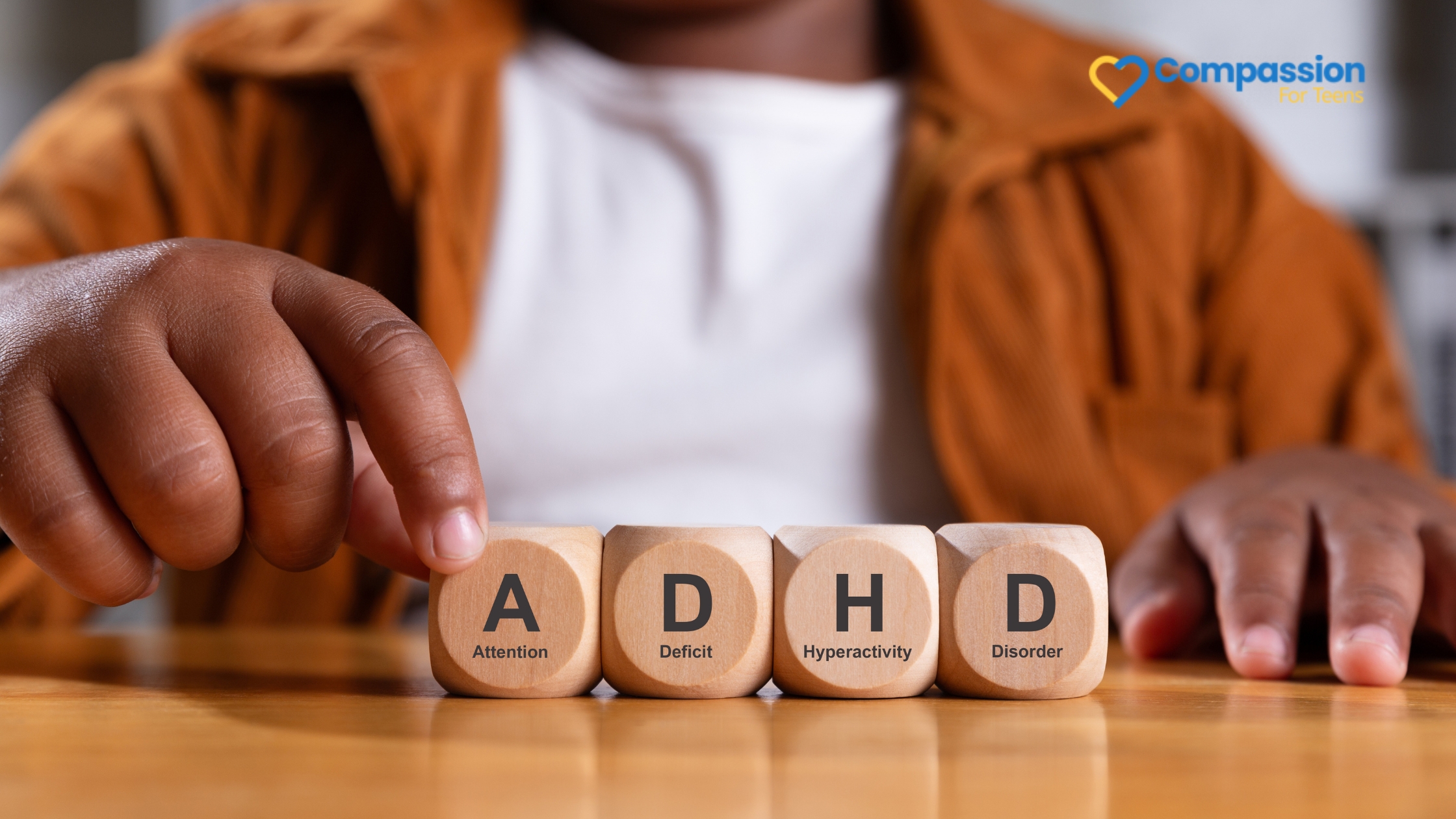
3. Attention-Deficit/Hyperactivity Disorder (ADHD)
ADHD is a neurodevelopmental disorder characterized by persistent patterns of inattention, hyperactivity, and impulsivity that interfere with functioning and development. While ADHD is often identified in childhood, many teens continue to struggle with it and some are not diagnosed until adolescence.
Teens with ADHD may struggle to complete assignments, forget important tasks, act impulsively in social situations, or have difficulty regulating their emotions. Without proper support, ADHD can significantly impact academic performance and self-esteem.
4. Trauma and PTSD
Post-Traumatic Stress Disorder (PTSD) can develop after a teen experiences or witnesses a traumatic event, including abuse, accidents, loss of a loved one, bullying, or other adverse childhood experiences. PTSD is not a sign of weakness; it is the brain and body’s way of responding to overwhelming stress.
Post-Traumatic Stress Disorder (PTSD) can develop after a teen experiences or witnesses a traumatic event, including abuse, accidents, loss of a loved one, bullying, or other adverse childhood experiences. PTSD is not a sign of weakness; it is the brain and body’s way of responding to overwhelming stress.
Teens with PTSD may experience flashbacks, nightmares, emotional numbness, avoidance of reminders of the trauma, or heightened startle responses. Trauma-informed care is essential for effective treatment, and it is a specialty area at Compassion For Teens.
Also Read: What Is Teen Mental Health? A Parent’s Complete Guide
5. Bipolar Disorder
Bipolar disorder in teens involves extreme mood swings, periods of intense emotional highs (mania or hypomania) alternating with deep lows (depression). These shifts go beyond typical moodiness and can be dramatic and destabilizing.
During a manic episode, a teen may sleep very little, engage in risky behaviors, speak rapidly, or feel grandiose. During a depressive episode, the same teen may be unable to get out of bed or engage with the world. Early identification and a structured treatment plan are critical for teens with bipolar disorder.
6. Eating Disorders
Eating disorders, including Anorexia Nervosa, Bulimia Nervosa, and Binge Eating Disorder, are serious mental health conditions that affect a teen’s relationship with food and their body. They are not about vanity or dieting. They are complex psychological conditions that can have life-threatening physical consequences.
Compassion For Teens provides specialized support for adolescents struggling with eating disorders, with a focus on building a healthier relationship with food, body image, and emotional well-being.
Co-Occurring Disorders: When Conditions Overlap
It is common for teens to experience more than one mental health condition at the same time. For example, a teen with anxiety may also develop depression, or a teen with ADHD may also be dealing with trauma. These are referred to as co-occurring mental health needs, and they require an integrated, individualized approach to treatment.
At Compassion For Teens, our clinicians are trained to identify and treat co-occurring conditions through comprehensive assessments and personalized care plans.
When to Seek Help
If your teen is experiencing any of the conditions described above or if you simply notice that something feels off, it is always appropriate to seek a professional evaluation. You do not need to wait for a crisis. In fact, the earlier a teen receives support, the better the outcomes tend to be.
Our team at Compassion For Teens is available to help you understand what your teen may be experiencing and guide your family toward the right level of care.